Entertainment Design: Week 2
12 January 2017
Lecture
Mise-en-scène
Assignments
Assignment 1 – Event Poster
Composition progress:


Typography progress:


Reflections
The second week is spent by meeting up for discussions amongst our group members. A group dynamic is rather exciting most of the time, but I can sometimes experience unpleasantness (although I can't vouch for other members) while working in the group. I think this mainly stems from the fact that I don't know some of them quite well, and that leads to some degree of difficulty communicating with them. However, despite this kind of situation, I feel myself learning how to work as a team more, especially since my past classes were so small that my groupmates were people I am comfortable with. Through this module, I have experienced working with other people better, and hopefully this will improve my "team spirit".
As I prepared for the presentation, I realized how helpful it was for us to have the tips for presentation given to us in week 1. It appears to enhance the effectiveness of the presentation, although we haven't tested it out yet, but as one of the presenters I feel the difference in emphasis/focus. To truly prepare, me and my groupmates have to go through extra miles and put out a lot more effort, but I'm sure that the result will be satisfactory.
Lecture
Mise-en-scène
Mise-en-scène (will refer to it as MES) is a French term, which literally means "placing on stage". It's the art of arranging of stage properties in filmmaking, a close companion with cinematography. There are several components of MES. Looking at MES in a static way, these components include:
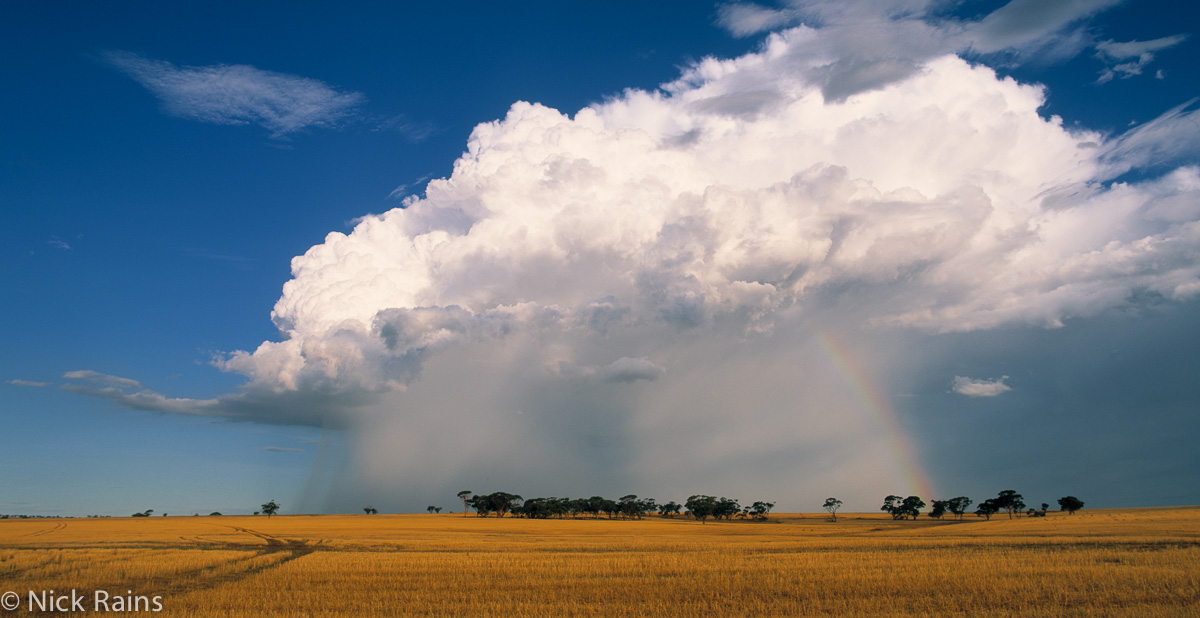
For example, in the picture above, the sky covers more than 2/3 of the frame. This means that the emphasis of the frame is the sky itself, perhaps a weather shot.
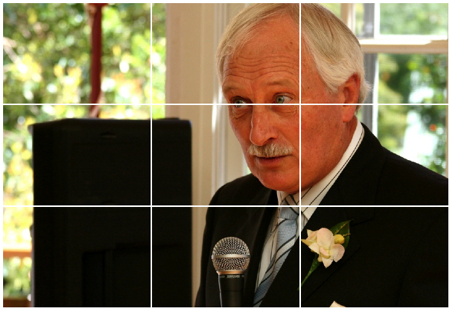
In this picture, the man's eyes are positioned on the top 1/3 line of the frame. This is called an eye-level shot, and is usually how filmmakers position the frame onto a person/subject.
Notice how the man from the picture above and this woman only occupy about 1/3 of the frame, leaving the rest 2/3 empty? That space is called lead room, because it tells the audience that the character is looking at something. In the case of the elder man, he's looking to the audience's left, maybe talking to someone, while in the case of the woman, she appears to be witnessing something shocking. The lead room is also used to put aesthetically pleasing visuals or other details, like the windows behind the man showing weather/time/place or the man with the binoculars looking at something.
In this particular shot, the frame is divided into two symmetrical sides. Symmetrically composed frames are sometimes referred to as static composition because of the sense of perfect balance and most of the time peacefulness.
In this still from "The Empire Strikes Back", however, the symmetrically divided frame creates the sense of stability and power that the Empire possesses after driving away the Rebellion into hiding.
- Costumes
- Props
- Make-up
- Positioning
- Lighting
- Color
- Acting (expression, gesture, eye direction, body language)
All these components affect the mood and tone of the movie, and it also helps (or manipulate to a certain extent) the audience to focus on a certain direction. A MES is good when it does its job: to set the ambience and affect the audience in such a way, and a filmographer needs to understand how each components affect a movie. For example, different types of lighting are used for different genres of movies due to the differences in tone. High-key lighting are used for light-hearted genres, like comedy or romantic comedy, where as in mystery and horror a lot of low-key lighting is used because things are hidden. Basic things like make-up and costume set the scene: which time period they're in, where in the world are they at, etc.
In a more dynamic way, MES involves composition, which can imply things like direction or more underlying messages like mood and emotion. A general rule that is used in filmmaking is the rule of thirds, where the frame is divided into three horizontal and vertical sections. These guidelines are then used to direct the audience's focus on something.
 |
| Image credit |
 |
| Image credit |
 |
| Image credit |
 |
| Image credit |
 |
| Image credit |
Assignments
Assignment 1 – Event Poster
Composition progress:


Typography progress:


Reflections
The second week is spent by meeting up for discussions amongst our group members. A group dynamic is rather exciting most of the time, but I can sometimes experience unpleasantness (although I can't vouch for other members) while working in the group. I think this mainly stems from the fact that I don't know some of them quite well, and that leads to some degree of difficulty communicating with them. However, despite this kind of situation, I feel myself learning how to work as a team more, especially since my past classes were so small that my groupmates were people I am comfortable with. Through this module, I have experienced working with other people better, and hopefully this will improve my "team spirit".
As I prepared for the presentation, I realized how helpful it was for us to have the tips for presentation given to us in week 1. It appears to enhance the effectiveness of the presentation, although we haven't tested it out yet, but as one of the presenters I feel the difference in emphasis/focus. To truly prepare, me and my groupmates have to go through extra miles and put out a lot more effort, but I'm sure that the result will be satisfactory.